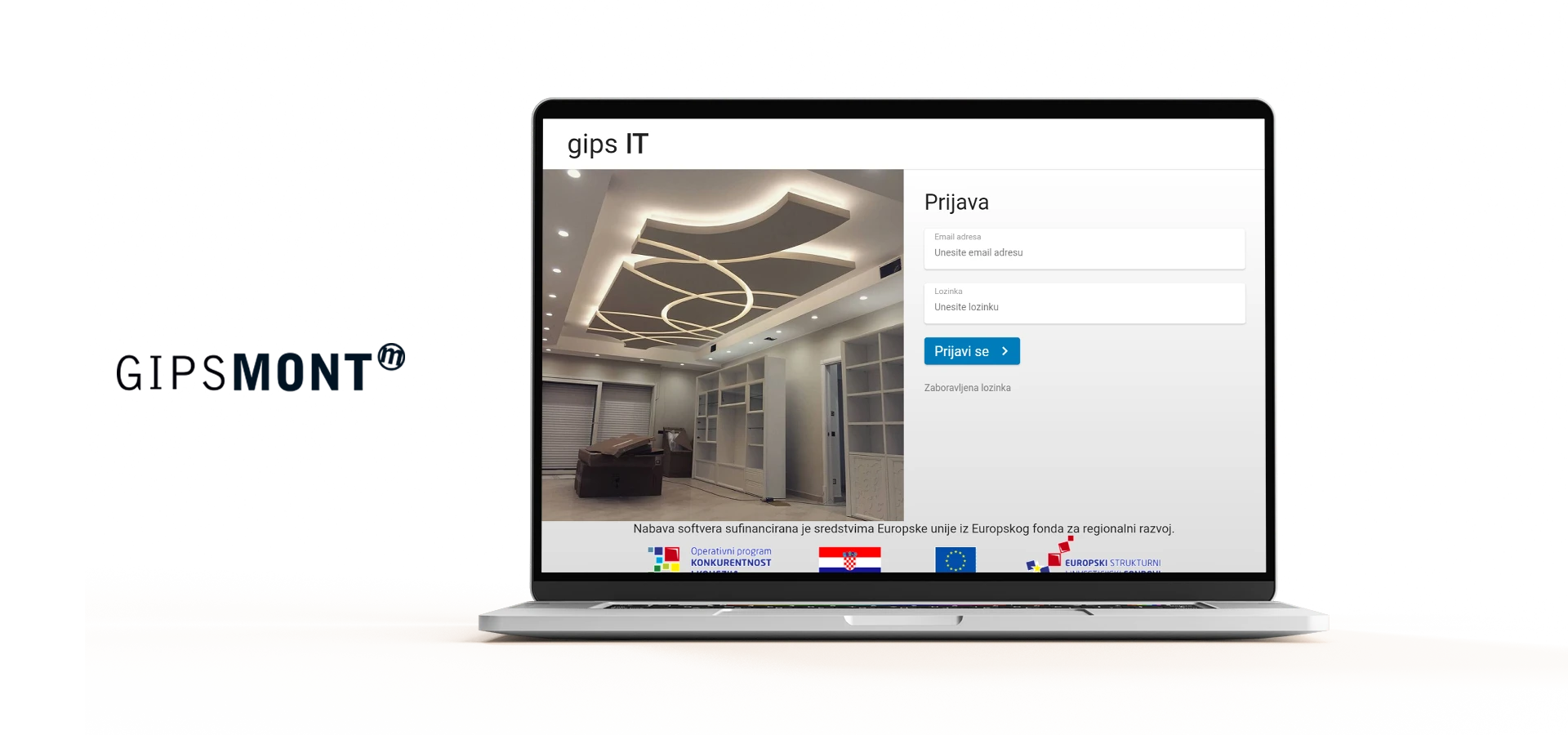
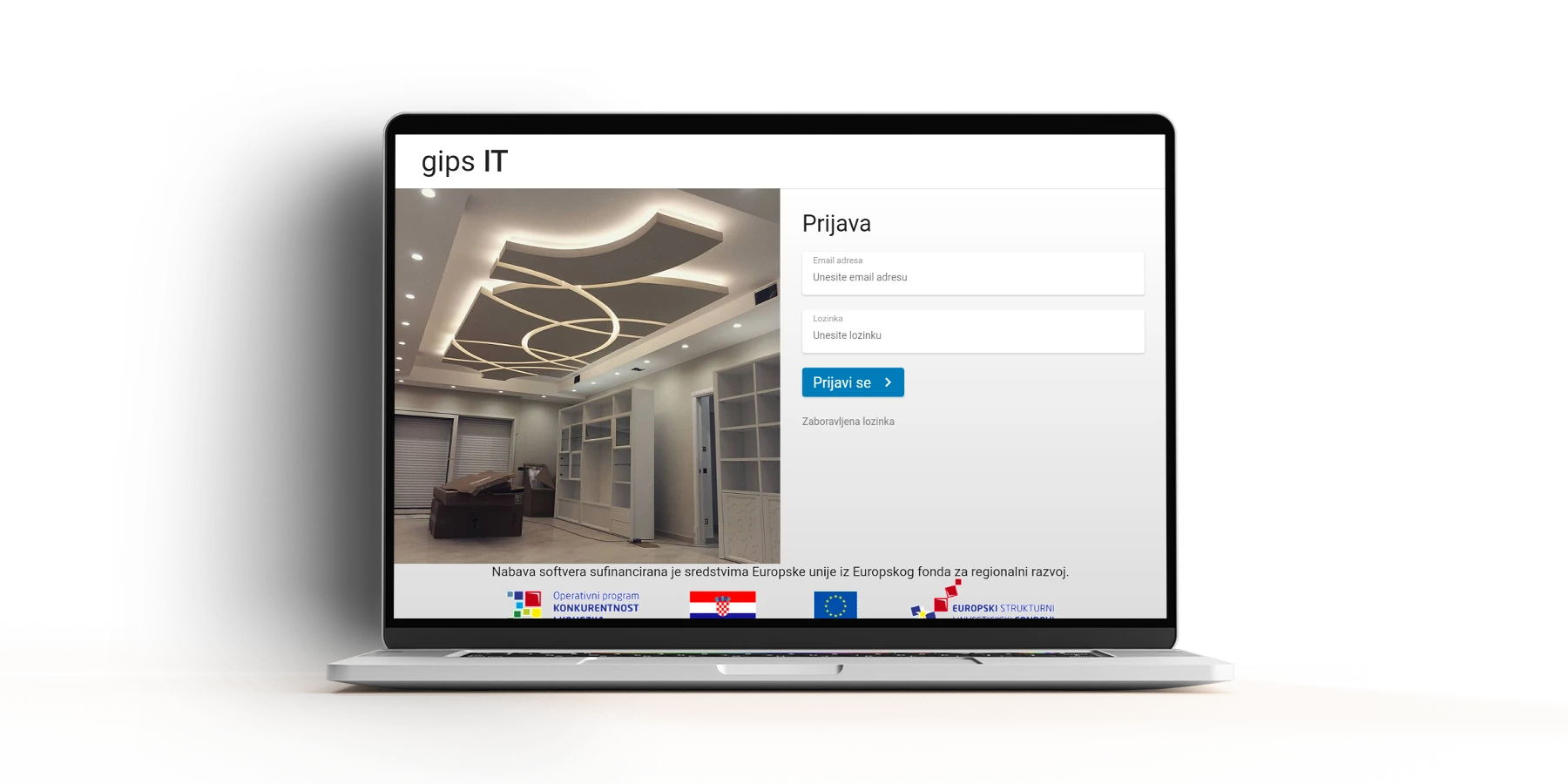
Gips IT

A business web application for managing the company's material, financial and human resources, extended by a mobile application

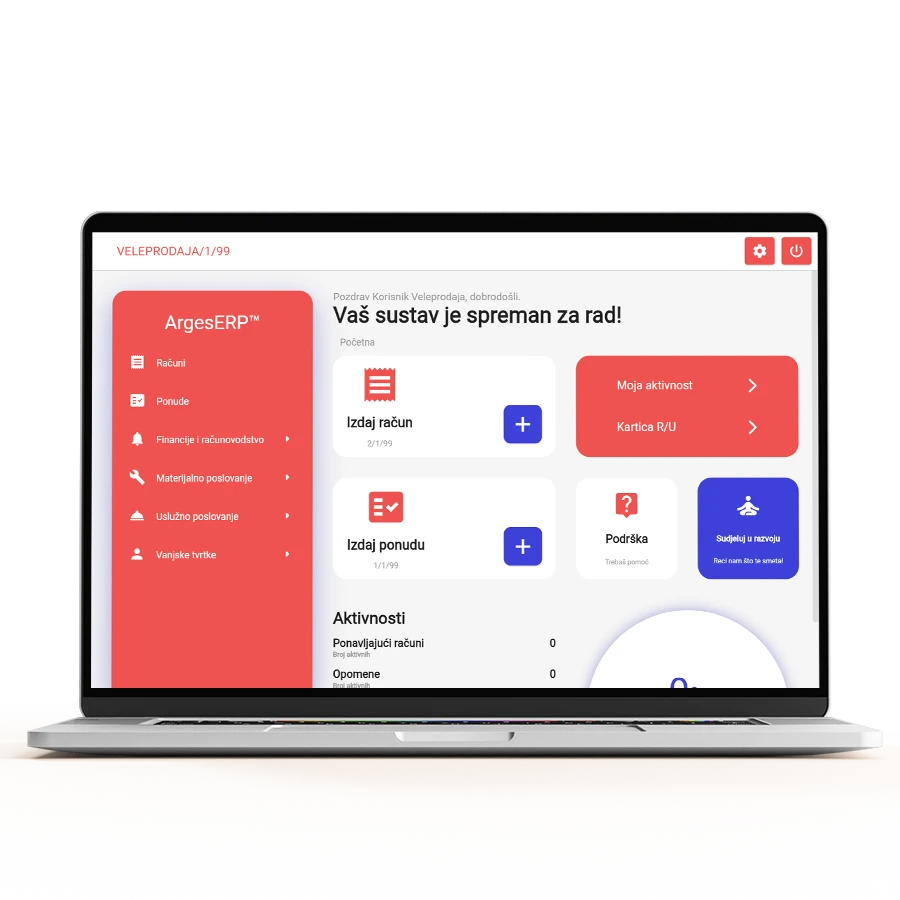
The purpose of this business application is to optimize business in terms of time and finances. The programmed components of this application system are the database, frontend web application and mobile application. In this case, both the web application and the mobile application were made in the same technology to avoid the need for REST API communication between them.

Apart from the large volume of programming work, our only challenge was to enable the client’s employees to enter points with a description on the technical drawings in .pdf format within the mobile application. Our previous experiences in creating bookkeeping and accounting applications certainly played a key role.

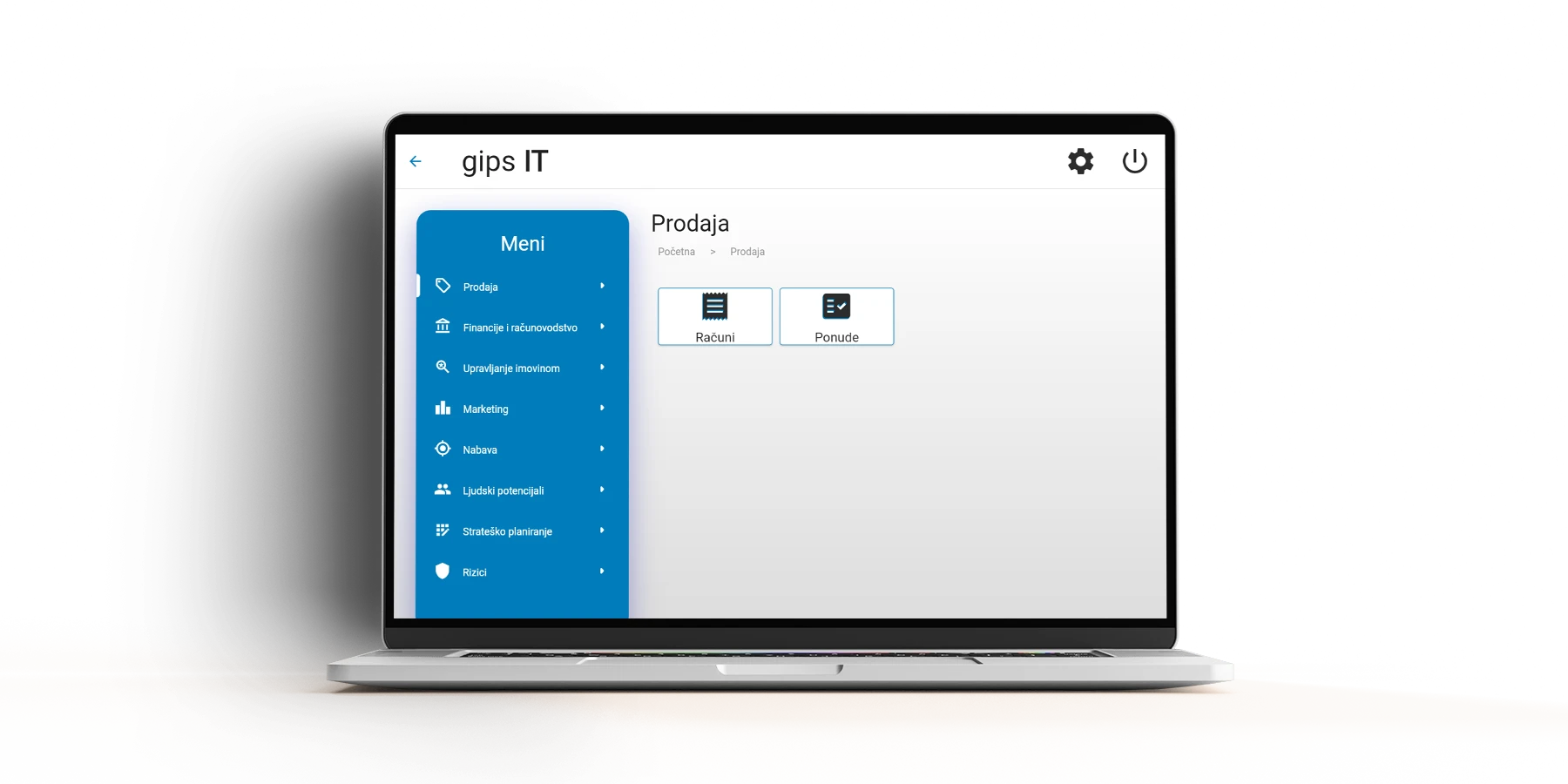
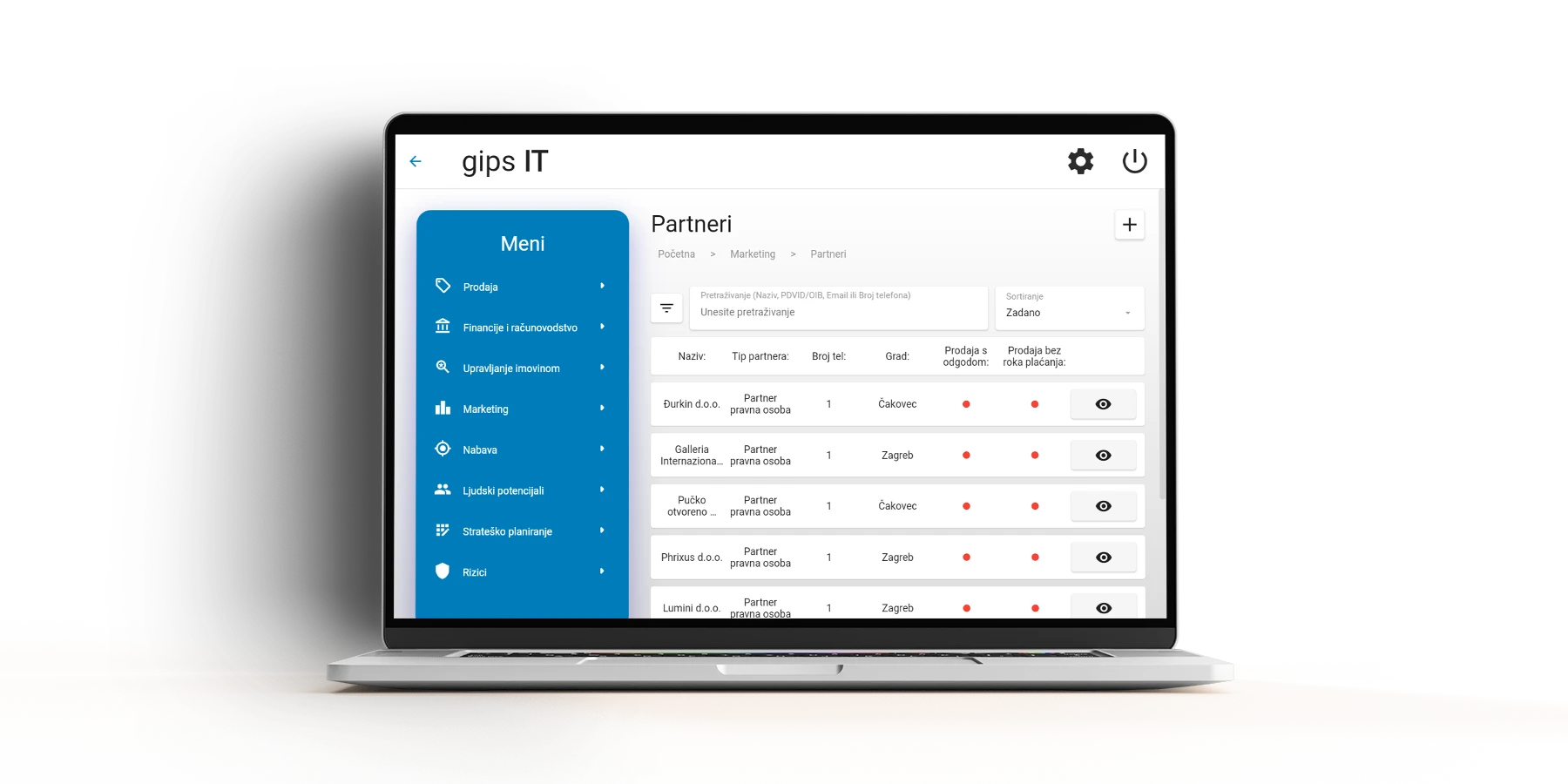
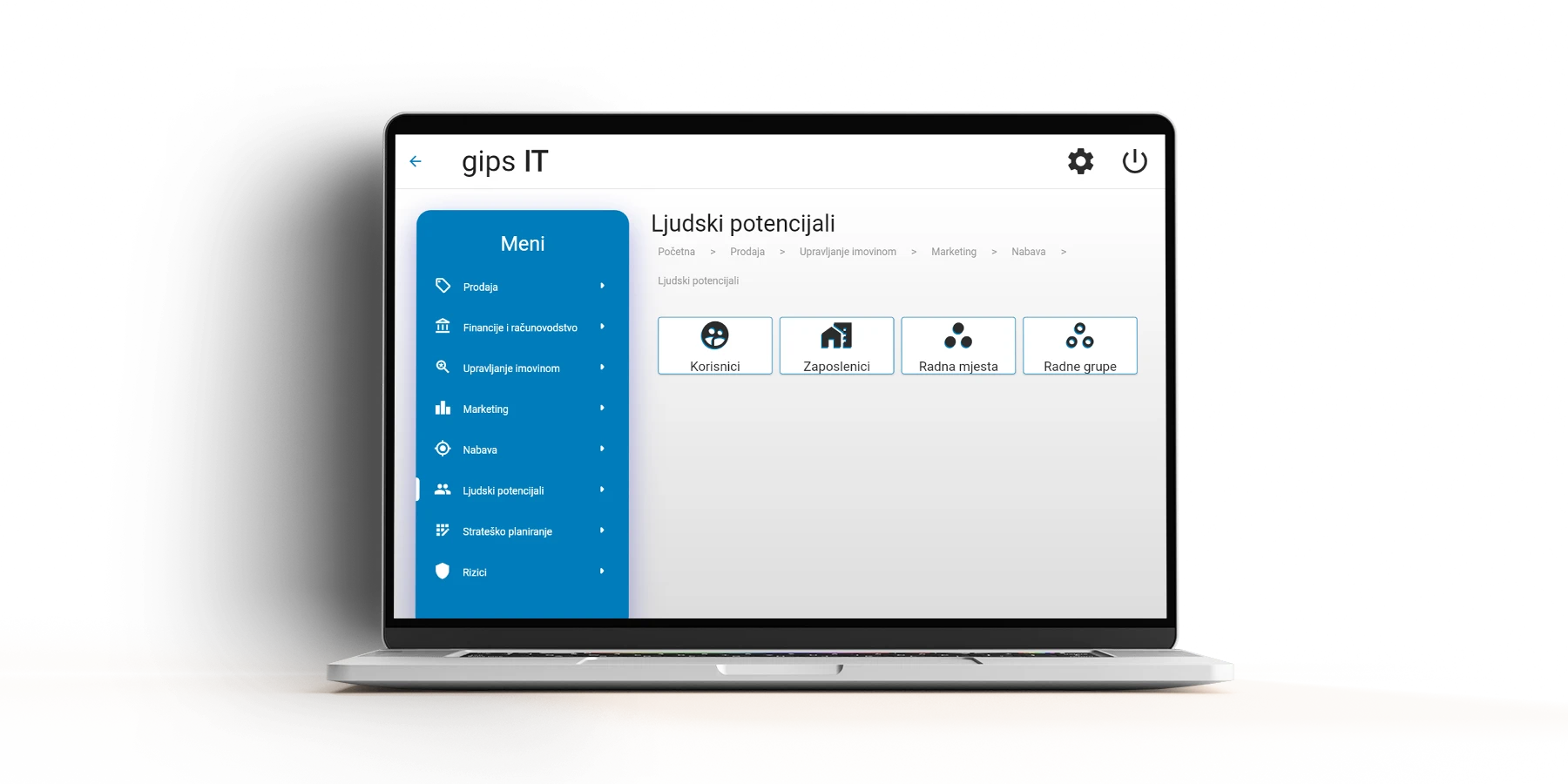
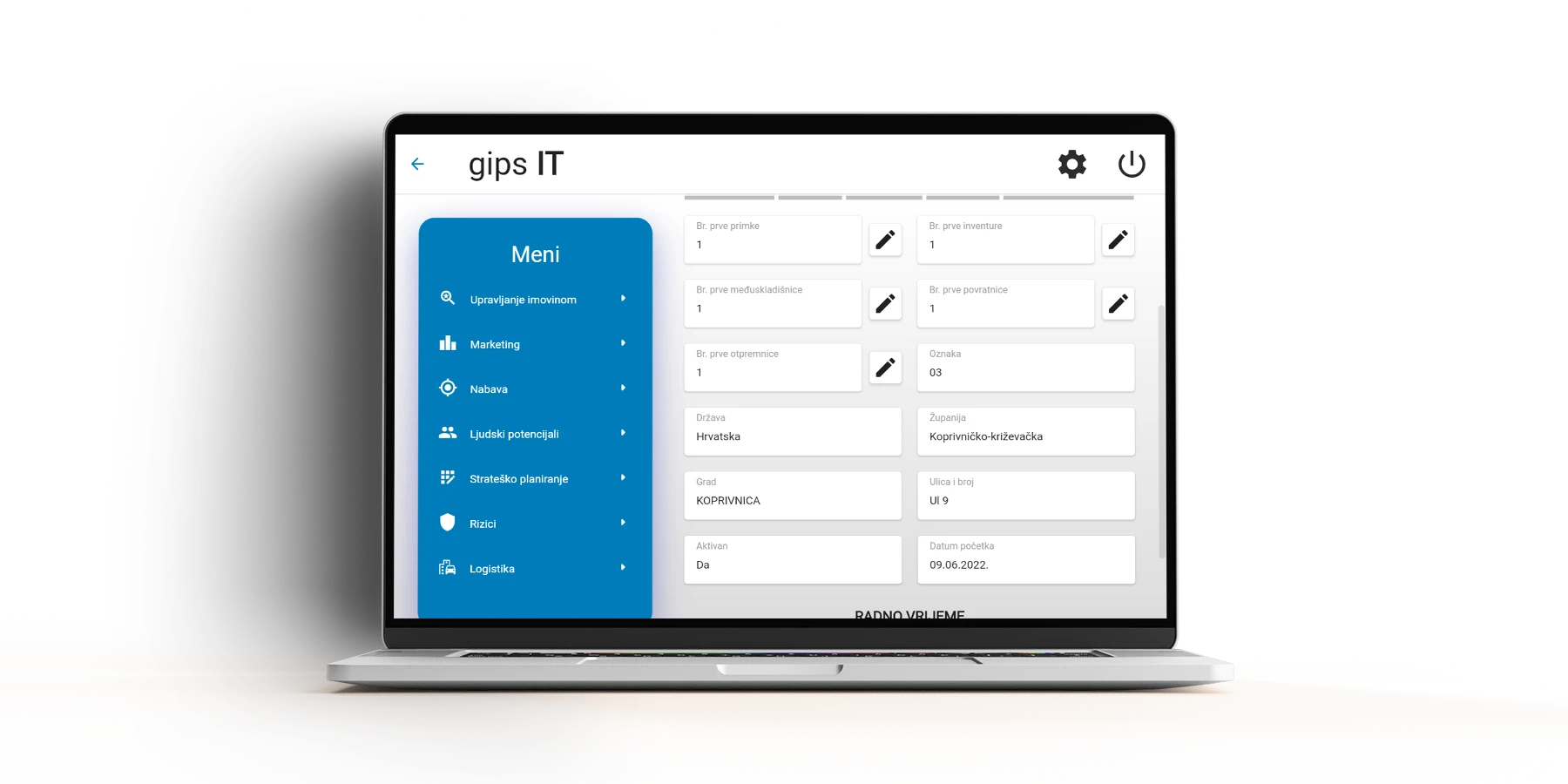
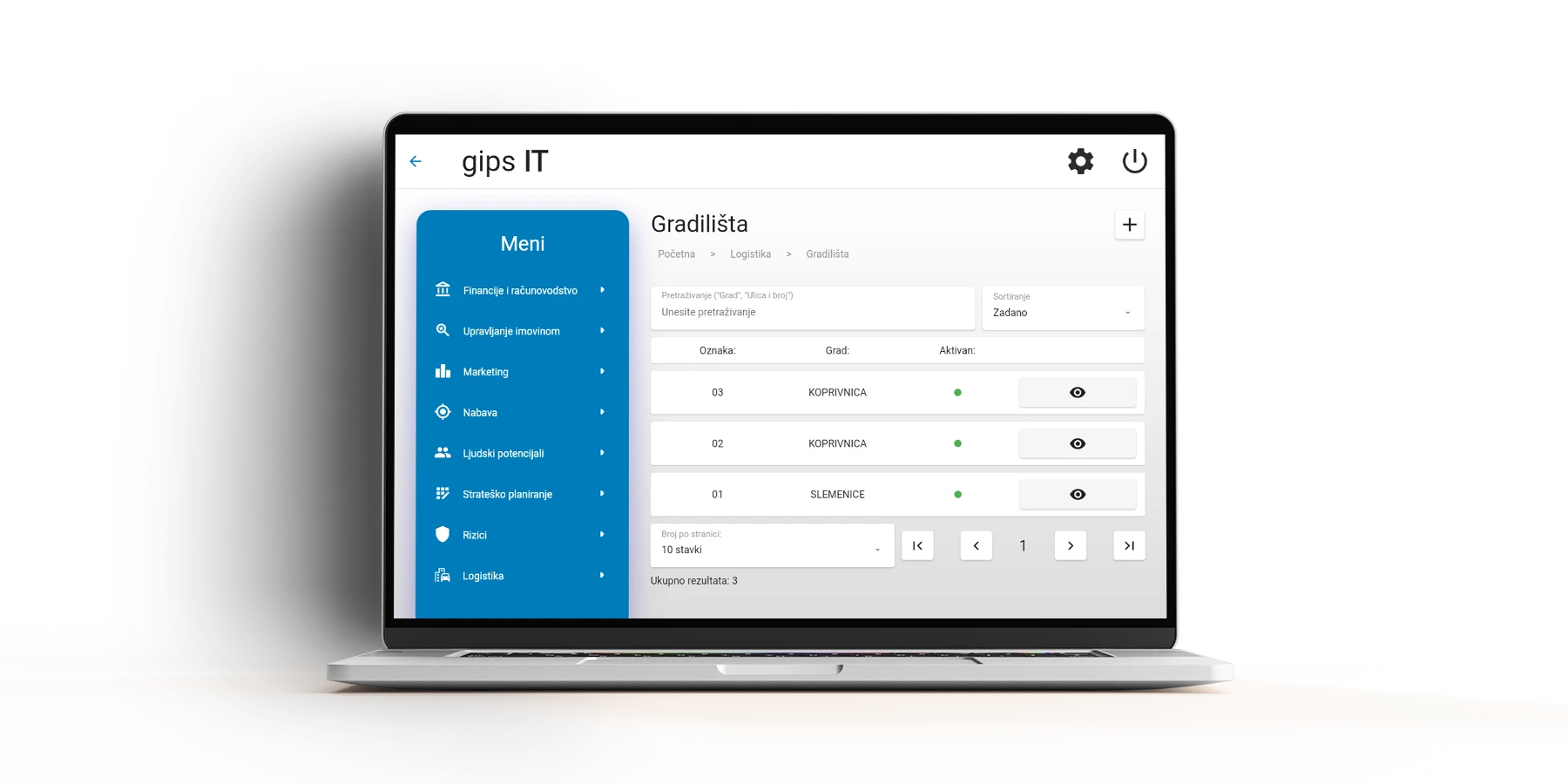
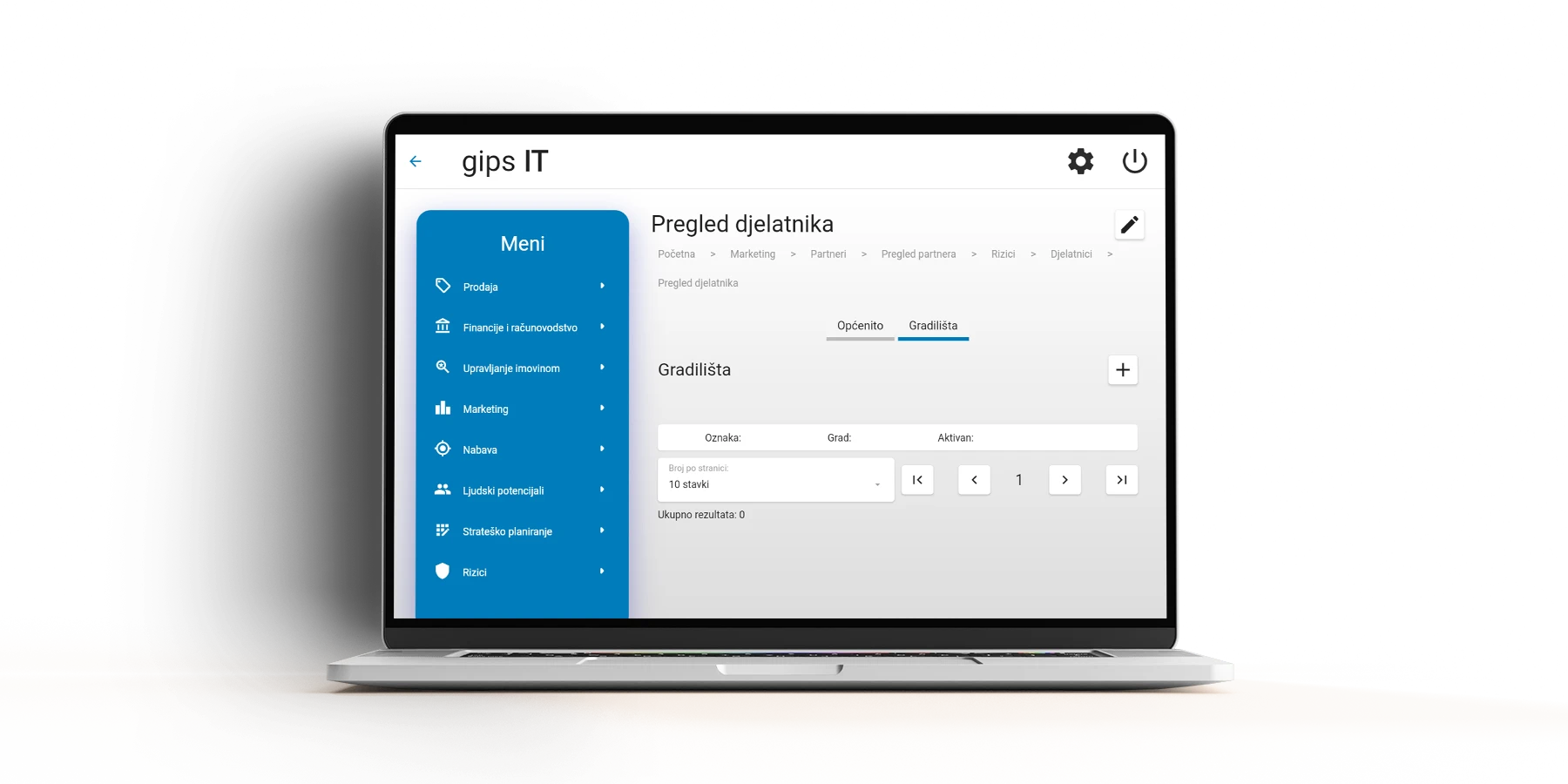
The most important functionalities that the client has in its web application interface are

  • creation of fiscalized and non-fiscalized invoices and offers
  • management of administrators, operators and users of the mobile application and their powers
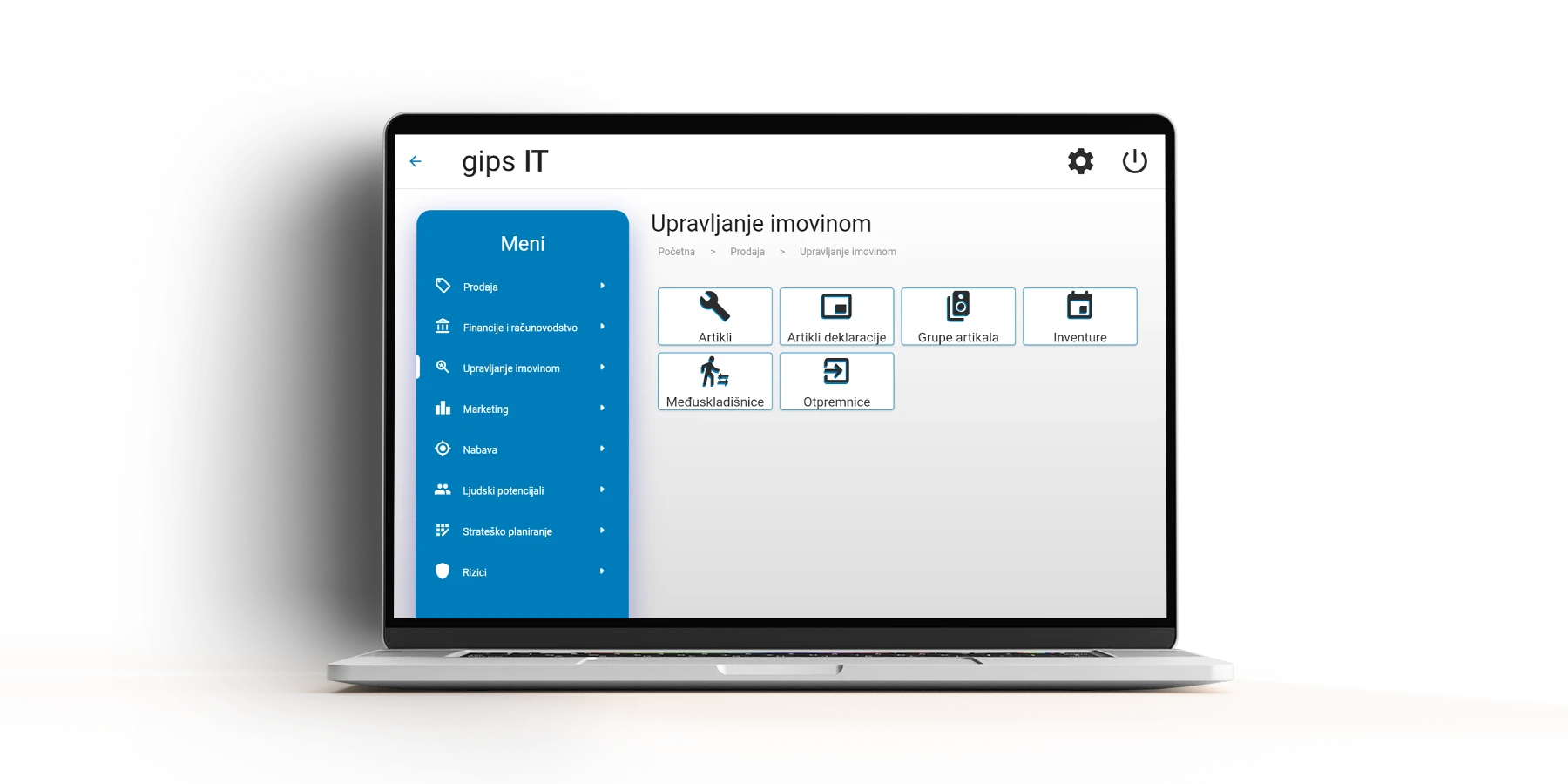
  • management of the company’s assets, primarily in the form of accounting management through; warehouses, making receipts, expenditure of goods, inventories, intermediate warehouses and other documents
  • monitoring and management of stocks at construction sites
  • management of partners and their discount and rebate scales per item, group of items or in general and partner rights such as sale of goods with deferred payment
  • construction site management and communication with construction sites
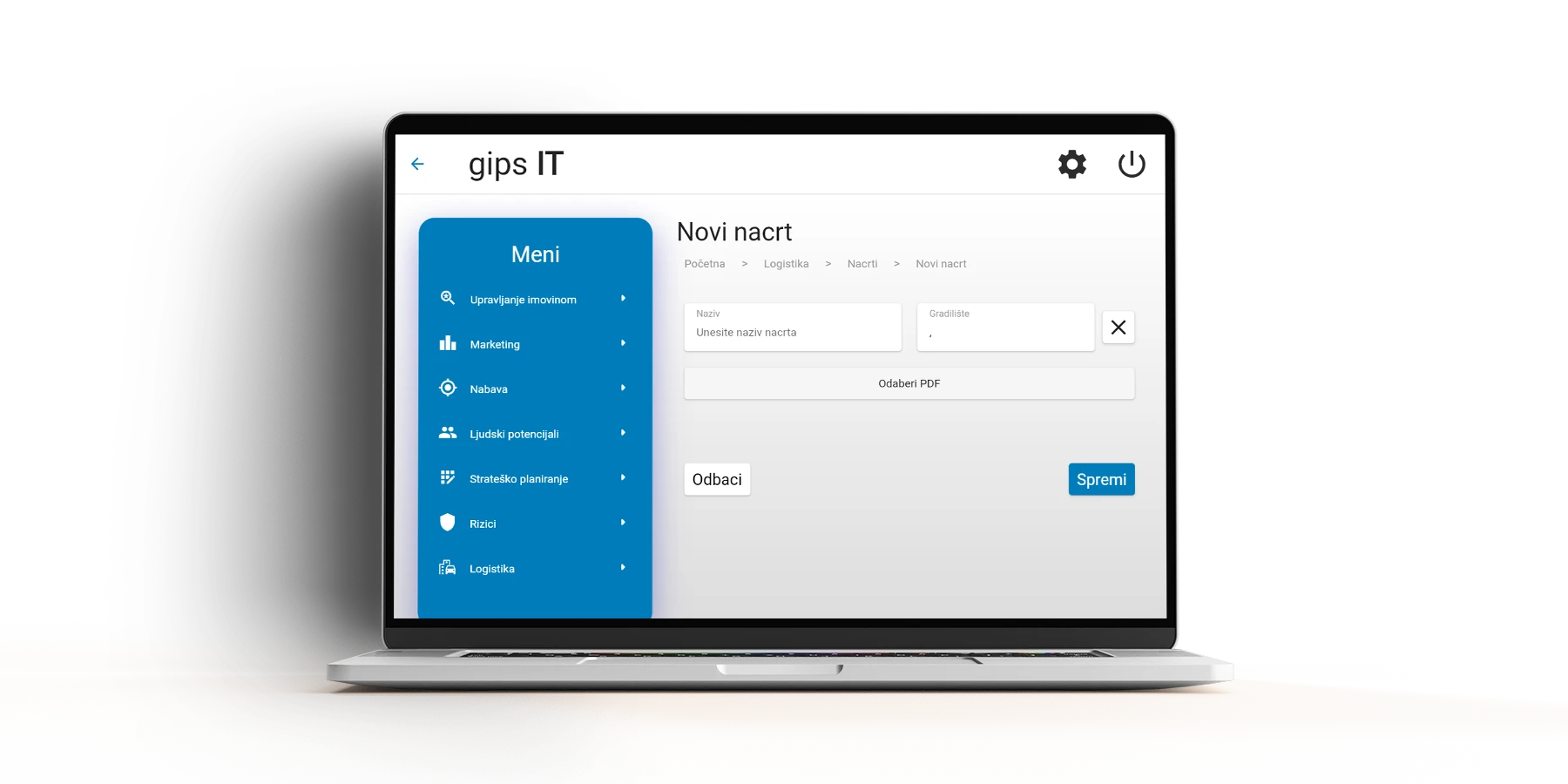
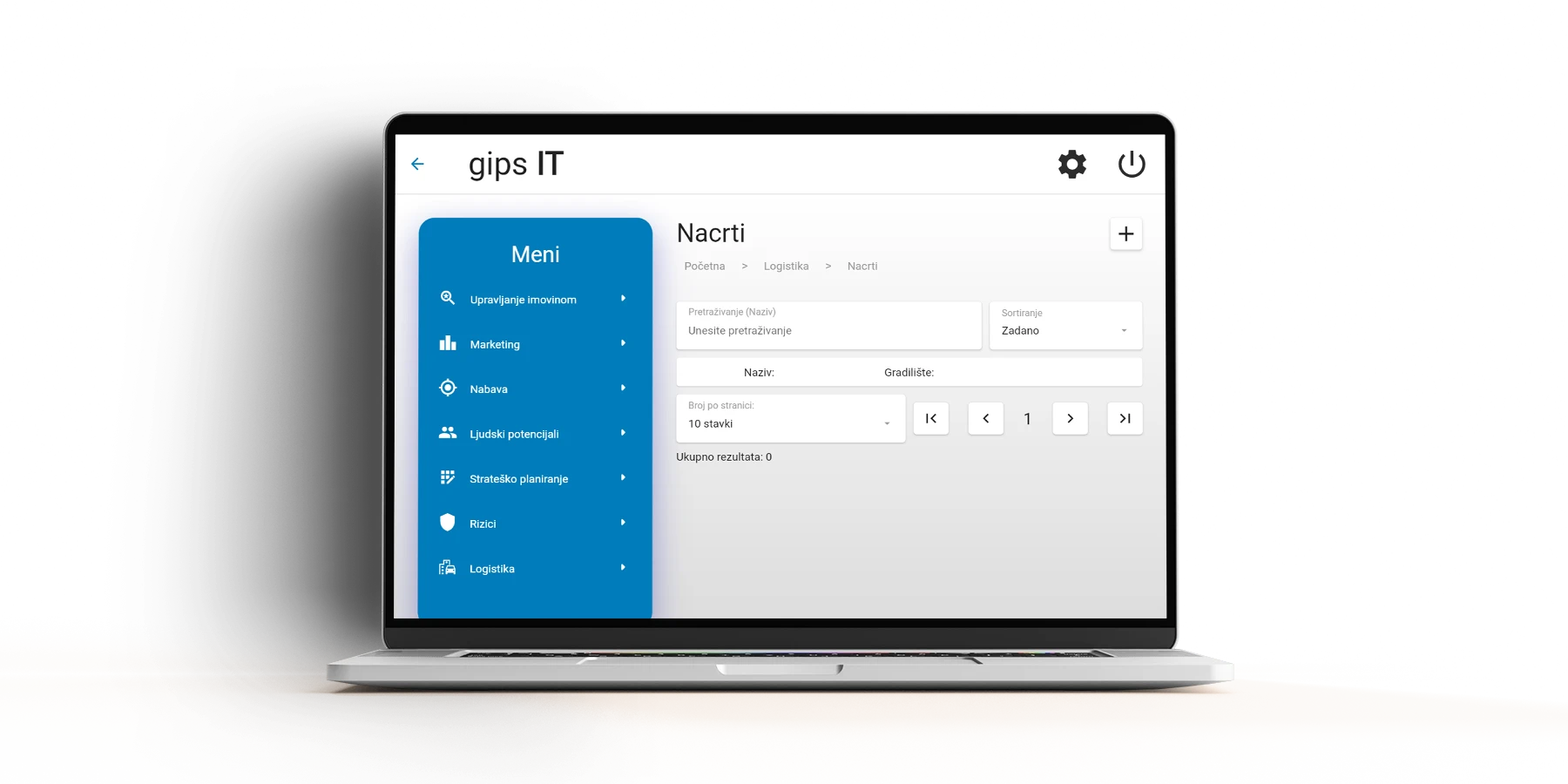
  • managing blueprints and blueprints within the construction site
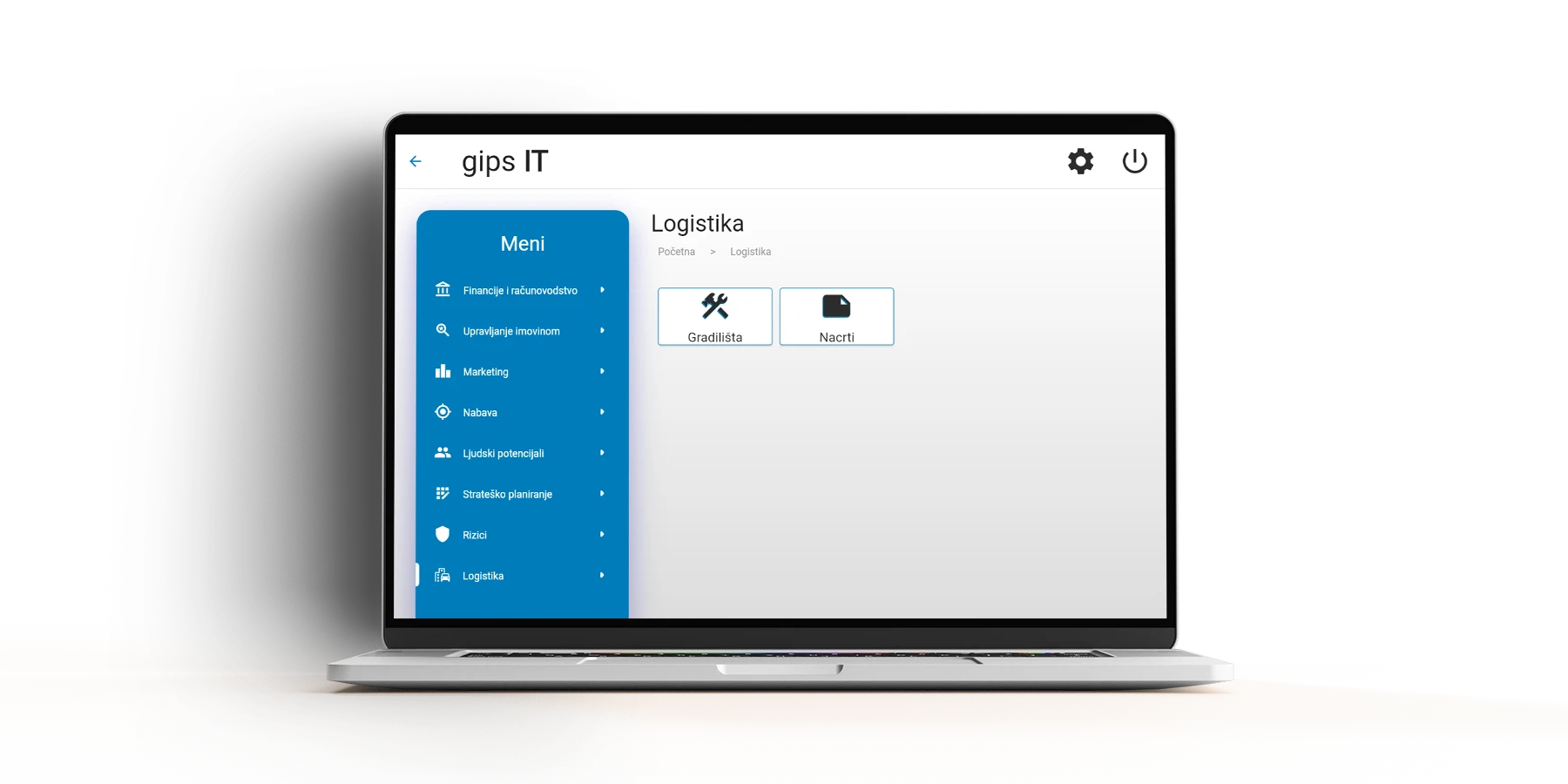
  • business logistics
  • management of mobile application users, generally employees, workplaces and work groups
  • marketing management
  • procurement management as a separate unit with the aim of maximum efficiency
  • strategic planning of company management through the review of analytics and statistics


Users of the mobile application have options to

  • inspect construction sites for which they have been authorized by the administrator
  • review the technical drawings related to the project and mark the points on the drawing for which they put a note and accompany it with a photo
  • inform the administrator about the need for additional material or other means of work
  • take over and debit goods or work tools in accounting
  • keep records of materials used on the construction site
  • log in and log out of the workplace (login)

Frequently asked questions

What does the Gips IT system actually cover?
It is one connected system that runs a construction company end to end. On the web side you get fiscalized and non-fiscalized invoices and offers, full warehouse accounting (receipts, goods expenditure, inventories, intermediate warehouses), partner management with discount and rebate scales, construction site tracking, procurement as its own unit, and analytics for management. The mobile app extends this out to the field for the crews working on site.
Why did you build the web app and the mobile app in the same technology instead of using a REST API?
We used Hasura and Flutter so the web interface and the mobile app talk to the same data layer directly. That removed the usual REST API layer you would otherwise build and maintain between a web back office and a mobile client. In practice it meant less code to keep in sync, fewer places for data to drift, and quicker delivery for the client. It works well here because both clients share the same database and business rules.
What can workers do with the mobile app while they are on a construction site?
A worker opens the sites they have been authorized for, pulls up the technical drawings tied to the project, and marks specific points directly on the PDF, attaching a note and a photo to each point. They can also flag the office when more material or tools are needed, take over and debit goods or work tools in the accounting, keep records of materials used on site, and clock in and out of their workplace. So the office sees what is happening on site in close to real time.
How hard was the point marking on PDF drawings to build?
That was the one genuinely tricky part of the project. Letting employees place points with a description directly onto technical drawings in PDF format inside a mobile app is not something you get out of the box, so it took focused work to get the placement accurate and the photos and notes attached cleanly to each point. The rest was a large volume of programming, but this feature was the real engineering challenge.
Can a system like this be adapted for a different construction or trades company?
Yes. Gips IT was built for Gipsmont-M, but the building blocks (warehouse accounting, fiscalized invoicing, partner pricing, site management, and a field mobile app) apply to a lot of construction and trades businesses. Our background in bookkeeping and accounting applications is part of why this project came together, and we would start any similar project by mapping your specific workflows before deciding what to reuse and what to build fresh. Get in touch and we can talk through your case.

Key Results

Integrated system
web & mobile
Unified technology without REST API
Warehouse management
assets & inventory
Receipts, expenditure, inventories
Construction site tools
blueprints & communication
Site management and logistics
Mobile inspection
drawings & notes
Mark points on PDFs with photos

Technologies

Figma
Figma
Hasura
Hasura
Flutter
Flutter

Projects from the category