Who's who here?
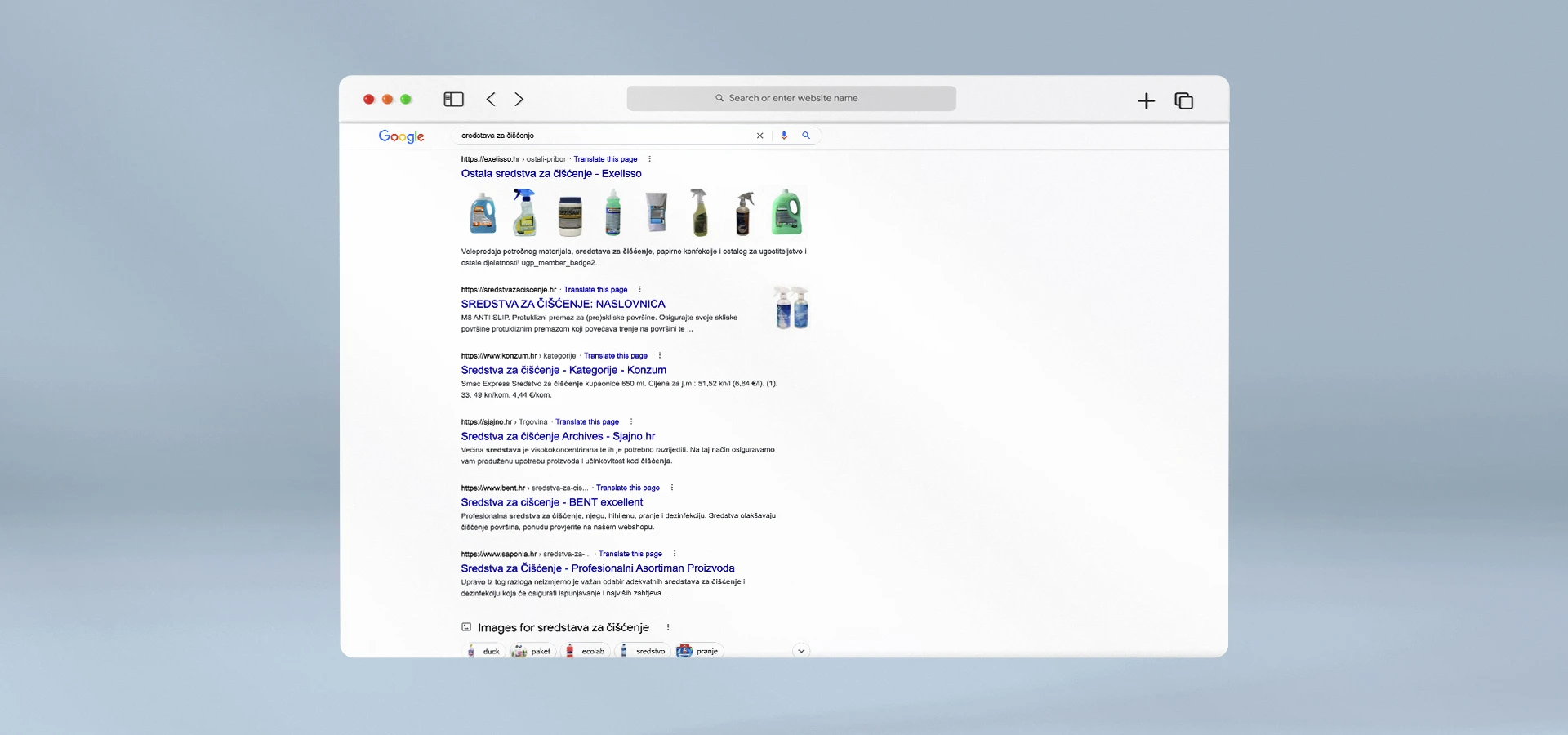
No website owner is absolutely satisfied with the results that the website gives. After spending time and money, the return on investment does not go as planned despite the web designer’s grand promises that the website will change the business for the better in unprecedented dimensions.
So what now? How to improve the website?
You have heard of some website optimizations. You are bombarded with ads for internet marketing. They offer offers that differ greatly in amounts. Again, mountains and valleys are promised.
Whoever has saved on the website itself will, of course, have to dig deeper into their pocket when it comes to SEO optimization.
Why?
Cheap websites usually do not have preparation for SEO. They do not have predefined fields for titles, descriptions, keywords. The basics of SEO are not made. Such sites are usually on WordPress or Joomla platforms. Simple to make according to pre-made design templates, but almost no possibility of upgrading. It is important that they abound with a lot of unnecessary plugins (irony) that usually complicate and slow down the work of such sites.
WordPress is good for some simple presentation sites that will stay that way, but it is definitely not good for advanced sites that are planned to be expanded in the future. Web shops are also a great example of the old - as much money, so much music. WordPress with WooCommerce are the most common choice, but are they the best? No. The cheapest choice? Yes, in the beginning.
The biggest SEO disaster are Single page websites, i.e. websites where all the content is on one single page, and believe it or not, they really exist.
But, regardless of all that has been written, there is another side, there are web designers and marketing agencies that really overcharge because they consider themselves - a brand.
There is an unwritten rule in business - the cheapest and the most expensive offer are thrown away. Believe it or not, it works.
Let’s get back to SEO optimization
It should be clear that any website with some quality should have the so-called basic SEO optimization already done at the time of creation. SEO optimization is done in the control part of the page and is not visible to users who search the page. At least not obviously. It should be reduced to the creation of a sitemap. The sitemap is a map of your website that you send to Google so that Google knows how to index your website. Heading tags which are actually titles and subtitles of categories and subcategories of a website, written for search engines. Heading tags are arranged from H1 to H6 both numerically and by importance. Descriptions and titles of all images on the page, descriptions and titles of all products and services on the page (Title and Description), secure protocols such as HTTPS. Optimization of image size and format. The idea of creating the entire website should be such that Google “loves” it, that is, certain rules and consistency should be respected.
Advanced SEO optimization
The prerequisite for making advanced SEO optimization is that basic SEO optimization has been done. It is difficult to build on bad foundations. Some of the items of advanced SEO optimization are; Removing JavaScript and CSS that block other resources, compressing HTML, CSS, JS, enabling compression, implementing PWA (one of the most important items), writing quality content and descriptions on each page, improving domain rating and backlinks, publishing your page on relevant sources, behavioral analysis of visitors, implementing HotJar, analyzing competition, Google Analytics, Google Ads, My Business. Given that half of the above mentioned is not understood, one thing is clear - advanced SEO optimization is complex but rewarding.
Advanced SEO optimization also implies Internet marketing which will initially give instant results, and over time as the website is “raised” the share of paid marketing is reduced until it is no longer used at all.
All the SEO in the world won’t help if… How is that now? How “won’t help”?
It won’t help if the website regularly doesn’t get the most important thing; Content or in Croatian; content! Quality and unique content closely related to your products or services that is full of facts and details is the point of any well-done SEO optimization. In the end - even we write a BLOG.